Crash Game Volatility: Bankroll Management for Long-Term Profit
Crash games represent one of the most volatile segments in the online gambling landscape, with platforms processing over 400,000 bets per minute globally. The rapid-fire nature of these games, where players must cash out before a multiplier crashes, creates intense variance that can quickly deplete unprepared bankrolls. Understanding how to manage this volatility through strategic bet sizing and risk-level selection has become essential for players seeking sustainable, long-term profitability rather than chasing quick wins that lead to catastrophic losses.
Crash games operate on a fundamentally different volatility model compared to traditional slots or table games. The multiplier in games like Crash on Stake, Aviator on platforms such as 1xBet, or similar titles on Betfury creates exponential variance. A player might experience five consecutive low-multiplier crashes at 1.2x followed by a devastating 50x multiplier that wipes out accumulated winnings. This unpredictability means that even mathematically sound betting strategies can fail catastrophically without proper bankroll compartmentalization.
The international crash game community has documented countless cases where players with aggressive betting strategies lost entire bankrolls within minutes. Professional players who have maintained consistent profitability over extended periods consistently emphasize that volatility management, not prediction accuracy, determines long-term success. The mathematical reality is that crash games, like all gambling products, carry a house edge that becomes more apparent during high-variance downswings. Without adequate bankroll protection, even skilled players with superior cash-out timing cannot survive the inevitable losing streaks.
Foundational Bankroll Architecture for Crash Game Survival
Establishing Your Total Gaming Capital
The first critical decision involves determining your total bankroll—the money you can afford to lose completely without affecting your financial stability, rent, food, or essential expenses. This amount should be segregated entirely from daily living funds. International players across different markets, from European operators to Asian platforms, should treat this bankroll as capital specifically allocated for gambling entertainment. Many experienced crash game players recommend this bankroll represent no more than five percent of annual disposable income, ensuring that even total loss creates no genuine hardship.
Once you establish your total bankroll, the next step involves dividing it into session bankrolls. Most professional crash game players operate with the principle that a single session bankroll should represent no more than five to ten percent of the total bankroll. If your total bankroll is two thousand units of currency, each session operates with a maximum of one hundred to two hundred units. This compartmentalization prevents catastrophic loss during inevitable downswings and preserves capital for future sessions when variance potentially swings in your favor.
The Critical Role of Unit Sizing
Establishing your base unit—the smallest bet you will place—forms the foundation of all subsequent risk management. Your unit size should be calculated so that losing twenty consecutive bets at your base unit represents a manageable loss that does not devastate your session bankroll. If your session bankroll is one hundred units, your base unit should never exceed one unit, meaning losing twenty consecutive bets costs only twenty percent of your session capital. This conservative approach allows you to weather extended losing streaks while maintaining psychological resilience and decision-making clarity.
International crash game platforms process such enormous betting volumes that variance manifestations occur constantly. Some players experience seven, eight, or even ten consecutive low-multiplier crashes before the multiplier extends into profitable territory. Without unit sizing discipline, players attempting to recover losses through larger bets typically accelerate their bankroll depletion rather than recover losses. The mathematical reality remains immutable: larger bets during losing streaks increase expected losses, not recovery probability.
Risk-Level Selection and Volatility Calibration

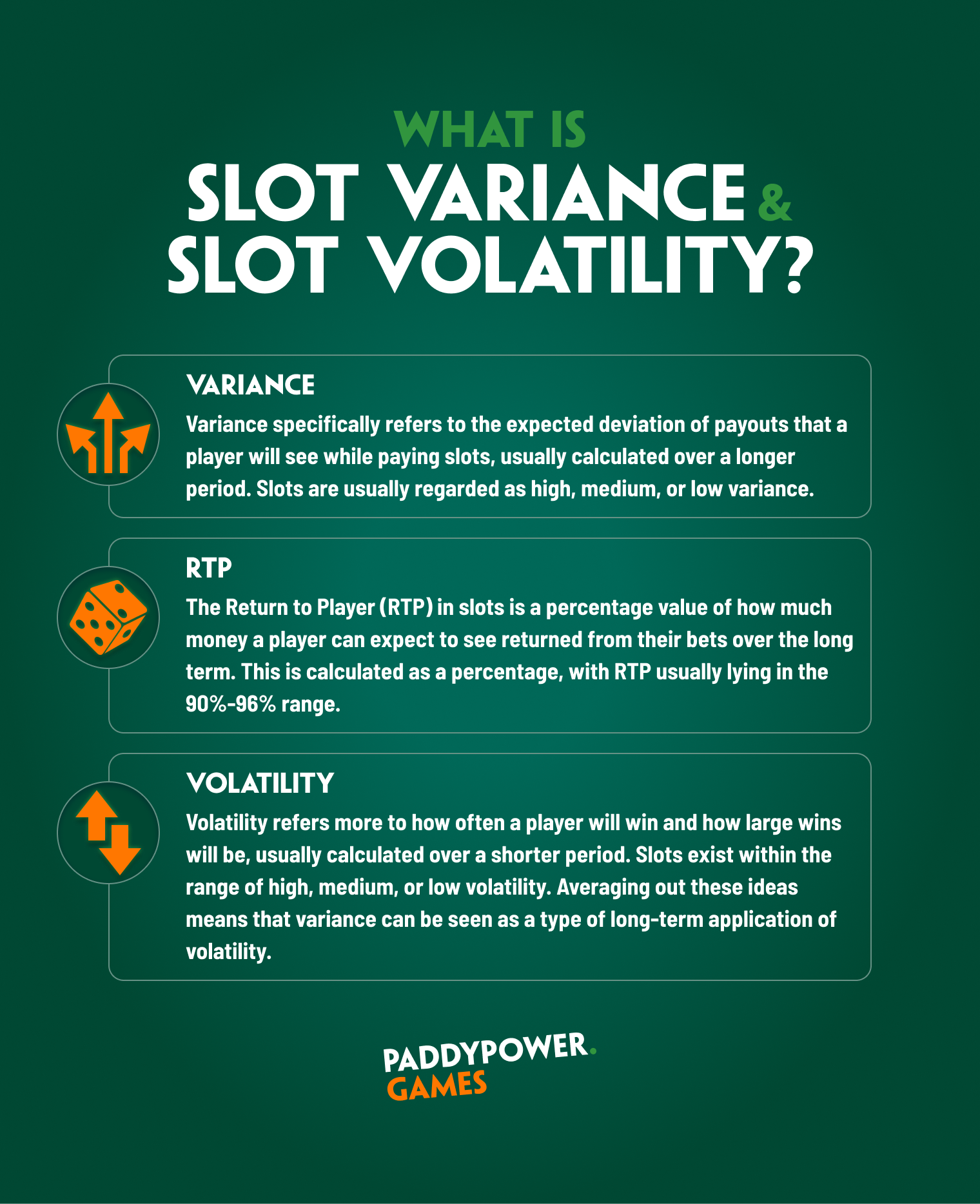
Experienced crash game players recognize that different betting strategies produce dramatically different volatility profiles. Betting at low multipliers like 1.5x with high frequency creates low-variance outcomes with consistent small wins and occasional devastating losses when the crash occurs unexpectedly. Conversely, betting at high multipliers like 5x or 10x creates high-variance outcomes with extended losing streaks interrupted by occasional substantial wins. Neither approach is inherently superior; the critical factor involves matching your chosen volatility profile to your bankroll size, psychological tolerance, and profit objectives.
Conservative players typically employ a low-volatility strategy, betting frequently at modest multipliers between 1.5x and 2.5x. This approach generates frequent small wins that gradually accumulate but exposes players to the risk of a single massive crash destroying accumulated profits. Aggressive players pursue high-volatility strategies, betting less frequently but at higher multipliers between 5x and 15x. This approach produces extended periods without winning bets followed by occasional substantial wins, requiring significantly larger bankrolls to absorb losing streaks.
The optimal risk level for your specific situation depends on your total bankroll size relative to your unit size. Players with larger bankrolls relative to their unit sizes can tolerate higher-volatility strategies because they possess sufficient capital to absorb extended downswings. Players with smaller bankrolls must employ lower-volatility strategies to maintain adequate session longevity. Many international players operate with a portfolio approach, allocating portions of their session bankroll to different volatility levels simultaneously, effectively diversifying their crash game exposure.
Bet Sizing Progression and Downswing Management
The Dangers of Escalating Bets During Losses
The most destructive mistake crash game players commit involves increasing bet sizes during losing streaks. This practice, sometimes called “chasing losses,” operates on the psychological principle that increased losses create pressure to recover through larger subsequent bets. Mathematically, this strategy increases expected losses rather than recovery probability. If a particular crash game carries a five percent house edge, increasing your bet size during a downswing increases the absolute house edge amount you lose, not your recovery probability.
Professional crash game players maintain consistent or decreasing bet sizes during downswings. If your base unit is one currency unit and you experience five consecutive losses, your next bet remains one unit, not two or three. This discipline feels counterintuitive during emotional downswings, but it represents the essential difference between players who achieve long-term profitability and those who experience catastrophic losses. Platforms processing 400,000 bets per minute globally include countless players who increased bet sizes during downswings and subsequently lost their entire bankrolls.
Profit-Taking Discipline and Session Targets
Equally important to loss management is profit-taking discipline. Many crash game players continue betting after achieving modest session profits, attempting to maximize wins during favorable variance periods. This practice often results in giving back profits and ending sessions with losses. Successful international players establish predetermined profit targets, typically representing ten to twenty percent of their session bankroll. Upon reaching this target, they conclude the session, preserve profits, and avoid the temptation to continue betting when variance potentially reverses.
This discipline requires psychological strength, particularly when variance appears favorable and the temptation to continue betting remains strong. However, extended sessions increase cumulative house edge exposure. A player betting at a five percent house edge over one hundred bets loses approximately five units in expectation. The same player betting over five hundred bets loses approximately twenty-five units in expectation. Session time limitations combined with profit targets ensure that variance works within controlled parameters rather than creating unlimited downside risk.
Advanced Volatility Control Techniques for International Players
Experienced crash game players employ several advanced techniques to manage volatility across extended time periods. The Kelly Criterion, adapted for crash games, suggests that optimal bet sizing should represent a fraction of your bankroll proportional to your edge and odds. While crash games carry a house edge, understanding this principle helps players recognize that extremely small bet sizes relative to bankroll create superior long-term outcomes compared to larger bet sizes that maximize short-term variance.
Another advanced technique involves alternating between high and low volatility betting strategies across consecutive sessions. A player might employ a conservative low-volatility strategy for two sessions, then switch to a high-volatility strategy for one session. This approach prevents extended periods of either monotonous small wins or devastating losing streaks, distributing variance more evenly across time. Some international players track their volatility metrics, calculating standard deviation of session results and adjusting bet sizes to maintain consistent volatility profiles regardless of winning or losing periods.
Additionally, successful players maintain separate bankroll compartments for different crash game platforms and betting strategies. Rather than combining all crash game activity into a single bankroll, they might allocate specific capital to Aviator betting, different capital to Crash on Stake, and additional capital to other platforms. This compartmentalization prevents a catastrophic loss on one platform from affecting their ability to continue playing on others, effectively distributing platform-specific risk across multiple venues.
Psychological Resilience During Volatile Downswings
Bankroll management ultimately depends on psychological discipline during intense downswings. When players experience five or six consecutive crashes at low multipliers, the emotional pressure to increase bet sizes or abandon predetermined strategies becomes overwhelming. Professional crash game players recognize that downswings represent inevitable statistical outcomes, not indications that their strategies have failed or that they should modify their approach. Maintaining consistent unit sizing and predetermined profit targets during emotionally challenging periods separates sustainable players from those who experience catastrophic losses.
International players benefit from maintaining detailed betting logs that document session results, bet sizes, and multiplier outcomes. Reviewing these logs during downswings provides objective evidence that variance operates as expected statistically. Players who experienced similar downswings in previous sessions and subsequently recovered develop psychological resilience that enables them to maintain discipline during current downswings. This historical perspective prevents panic-driven decision-making that typically accelerates bankroll depletion.
Responsible Gambling and Sustainable Play Practices
While this article focuses on bankroll management strategies for crash games, it is essential to recognize that gambling carries inherent risks and should never be considered a reliable income source. Responsible gambling practices must accompany all strategic approaches. Set strict time limits for your crash game sessions and never gamble while experiencing emotional distress, financial pressure, or impaired judgment. If you find yourself unable to maintain predetermined betting limits, experiencing urges to chase losses, or gambling with money required for essential expenses, please seek support from gambling addiction resources available in your jurisdiction. Most international markets provide confidential helplines and support services for individuals struggling with gambling-related issues. Sustainable crash game play requires not only mathematical discipline but also honest self-assessment regarding your relationship with gambling and commitment to protecting your financial wellbeing above all other considerations.
