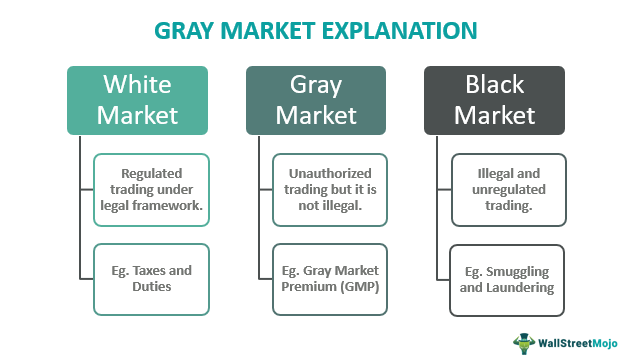
Plinko has emerged as one of the most popular crash games in the cryptocurrency gambling ecosystem, particularly thriving in jurisdictions where regulatory oversight remains limited or nonexistent. Unlike traditional casino games that operate under established licensing frameworks, Plinko occupies a unique position in the global gambling landscape, where innovation and accessibility clash with growing regulatory scrutiny. The game’s simplicity—dropping a ball through pegs to land in varying prize slots—masks a complex web of legal, financial, and ethical considerations that players and operators must navigate in gray market territories.
The Gray Market Phenomenon and Plinko’s Explosive Growth
Plinko’s prevalence in unregulated markets stems from several interconnected factors that have made it particularly attractive to both operators and players seeking alternatives to traditional gambling venues. The game’s low barrier to entry, combined with its provably fair mechanics offered through blockchain technology, has positioned it as a cornerstone offering across numerous crypto casinos operating outside conventional regulatory frameworks. Platforms like Stake, Rollbit, and various smaller operators have built substantial user bases by featuring Plinko prominently in their game libraries, often with multiplier systems and risk adjustment features that appeal to both casual and professional gamblers.
The proliferation of Plinko in gray markets reflects a broader trend in cryptocurrency gambling, where decentralized finance principles intersect with entertainment gaming. Players from jurisdictions with restrictive gambling laws find themselves drawn to these platforms precisely because they operate beyond traditional regulatory boundaries. The anonymity offered by cryptocurrency transactions, combined with the accessibility of mobile platforms and progressive web applications, has created an environment where Plinko thrives without the compliance overhead that licensed operators must maintain. This unregulated ecosystem has generated substantial revenue streams, with some estimates suggesting crypto casinos collectively handle billions in monthly wagering volume, with Plinko accounting for a significant portion of this activity.
Understanding the Regulatory Landscape and Compliance Pressures

The regulatory environment surrounding Plinko and crypto gambling more broadly is rapidly evolving, with jurisdictions worldwide implementing increasingly stringent oversight mechanisms. Authorities from Malta to Singapore, from the United Kingdom to Australia, have begun scrutinizing cryptocurrency gambling platforms with greater intensity. Recent enforcement actions against major crypto casino operators have signaled that regulatory tolerance for gray market gambling is diminishing substantially. Gaming authorities in various territories have issued warnings against unregulated platforms, and some have pursued legal action against operators and payment processors facilitating access to these services.
The European Union’s approach to cryptocurrency gambling regulation has become particularly influential, with member states implementing or proposing stricter licensing requirements specifically targeting crash games like Plinko. The United Kingdom’s Gambling Commission has intensified its focus on unlicensed operators, while the Financial Conduct Authority has raised concerns about the intersection of gambling and financial services. These regulatory developments create significant compliance risks for operators currently operating without proper licensing, as enforcement mechanisms become more sophisticated and coordinated across international boundaries.
Jurisdictional Variations in Enforcement
Different regions approach Plinko regulation with varying degrees of intensity and methodology. Some jurisdictions have implemented outright bans on cryptocurrency gambling, while others have adopted licensing frameworks that attempt to accommodate blockchain-based gaming while maintaining consumer protections. The United States presents a particularly fragmented landscape, where federal law prohibits online gambling in most contexts, yet individual states have implemented their own regulatory frameworks. This patchwork approach creates opportunities for gray market operators to exploit regulatory gaps, though the trend clearly points toward harmonization and stricter enforcement.
The Role of Payment Processors and Financial Infrastructure
A critical component of the regulatory squeeze on gray market Plinko platforms involves payment processor compliance. Traditional banking infrastructure increasingly refuses to service cryptocurrency gambling operators, forcing them to rely on alternative payment methods and specialized crypto-friendly financial services. This creates additional friction and risk, as platforms must maintain complex payment routing systems and face exposure to sanctions regulations and anti-money laundering requirements. Operators that fail to implement adequate know-your-customer and transaction monitoring protocols face potential criminal liability and asset seizure.
Risk Assessment for Players and Operators
Engaging with Plinko on gray market platforms presents multifaceted risks that extend beyond typical gambling considerations. Players face the fundamental risk of platform insolvency without recourse to regulatory compensation schemes that protect customers of licensed operators. The absence of independent auditing and provably fair verification systems on many platforms creates opportunities for manipulation, though some operators do implement legitimate blockchain-based verification mechanisms. Players also face personal security risks, including account compromise, identity theft, and exposure to scams targeting cryptocurrency gambling enthusiasts.
Operators navigating gray markets encounter substantial legal and financial exposure. The regulatory trajectory clearly indicates that current gray market status represents a temporary condition rather than a sustainable business model. Operators who have invested significantly in building customer bases and infrastructure face potential enforcement actions that could result in asset seizure, criminal prosecution of principals, and forced platform closure. Additionally, the reputational damage from regulatory action can be catastrophic, as evidenced by several high-profile platform collapses that resulted in substantial customer losses and criminal investigations.
Fraud and Security Vulnerabilities
The unregulated nature of gray market Plinko platforms creates environments where fraud can flourish with minimal consequences. Some platforms have been documented engaging in collusion with affiliate marketers to artificially inflate user bases, manipulating game outcomes to disadvantage players, or simply disappearing with customer funds. The lack of regulatory oversight means players have no formal complaint mechanisms or dispute resolution processes, and recovery of lost funds becomes virtually impossible once a platform ceases operations or transfers assets.
The Business Case for Compliance and Regulatory Adaptation
Despite the current profitability of gray market operations, an increasing number of operators are recognizing that regulatory compliance represents a more sustainable long-term strategy. Licensed operators offering Plinko through regulated frameworks face higher operational costs due to compliance requirements, but they also benefit from legitimacy that attracts institutional investors, reduces payment processing friction, and insulates them from regulatory enforcement. Several established cryptocurrency gambling platforms have begun pursuing licensing in major jurisdictions, recognizing that the regulatory window for compliance is narrowing and that first-movers in regulated markets will capture disproportionate market share as enforcement tightens.
The business model of gray market Plinko platforms depends fundamentally on regulatory arbitrage—exploiting the gap between jurisdictions with restrictive gambling laws and those with minimal oversight. As this gap narrows through coordinated international regulatory efforts, the competitive advantages of operating without licensing diminish substantially. Operators who have accumulated sufficient capital through gray market operations are increasingly investing in licensing applications, compliance infrastructure, and legitimate banking relationships to position themselves for the regulated future of cryptocurrency gambling.
Strategic Considerations for International Players
Players seeking to engage with Plinko should carefully evaluate the regulatory status and operational transparency of any platform they consider using. Platforms that openly acknowledge their regulatory status, implement third-party auditing of game fairness, and maintain transparent financial practices present substantially lower risk profiles than those operating in complete opacity. Players should verify that platforms implement industry-standard security practices, maintain segregated customer funds, and provide documented terms of service that clearly specify dispute resolution mechanisms.
Understanding your own jurisdictional context is equally critical, as accessing gambling services from certain platforms may violate local law regardless of where the operator is based. Many countries have implemented blocking measures that prevent access to unregulated gambling websites, and in some jurisdictions, players themselves face legal consequences for using unlicensed platforms. Researching local gambling regulations before engaging with any platform helps mitigate legal exposure and ensures informed decision-making about participation.
The Future Trajectory of Plinko in Regulated Markets
The regulatory pressure on gray market Plinko platforms appears likely to intensify substantially in coming periods, driven by coordinated international enforcement efforts and the maturation of regulatory frameworks specifically addressing cryptocurrency gambling. This trajectory suggests that Plinko’s future growth will increasingly occur within licensed and regulated environments, though gray market platforms will likely persist in jurisdictions with limited enforcement capacity. The game’s fundamental appeal—its simplicity, visual engagement, and provably fair mechanics—ensures continued demand regardless of regulatory context, but the operational environment will shift dramatically toward compliance-oriented models.
Responsible gambling remains paramount regardless of platform choice or regulatory status. Plinko, like all gambling activities, carries inherent risks of financial loss and potential development of problematic gambling behaviors. Players should establish strict budget limits, never wager money they cannot afford to lose, and seek support resources if they experience signs of gambling addiction. Organizations offering confidential support and treatment referrals operate internationally and provide assistance regardless of which platforms individuals have used. Engaging with gambling as entertainment rather than income source, maintaining realistic expectations about odds and outcomes, and taking regular breaks from play all contribute to healthier gambling practices.
